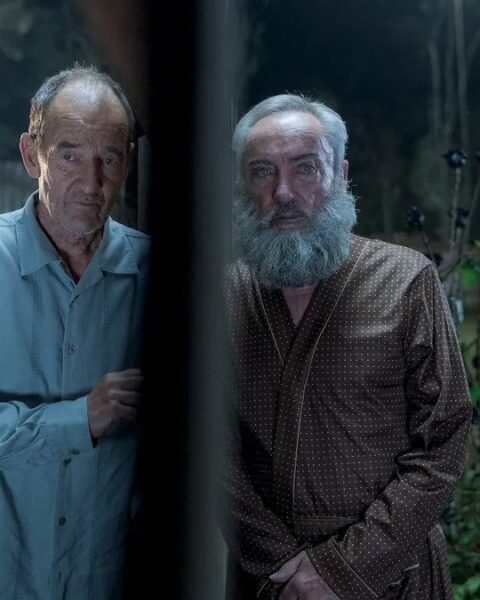
Birney discusses where he sees connective tissue between cinema and video games.
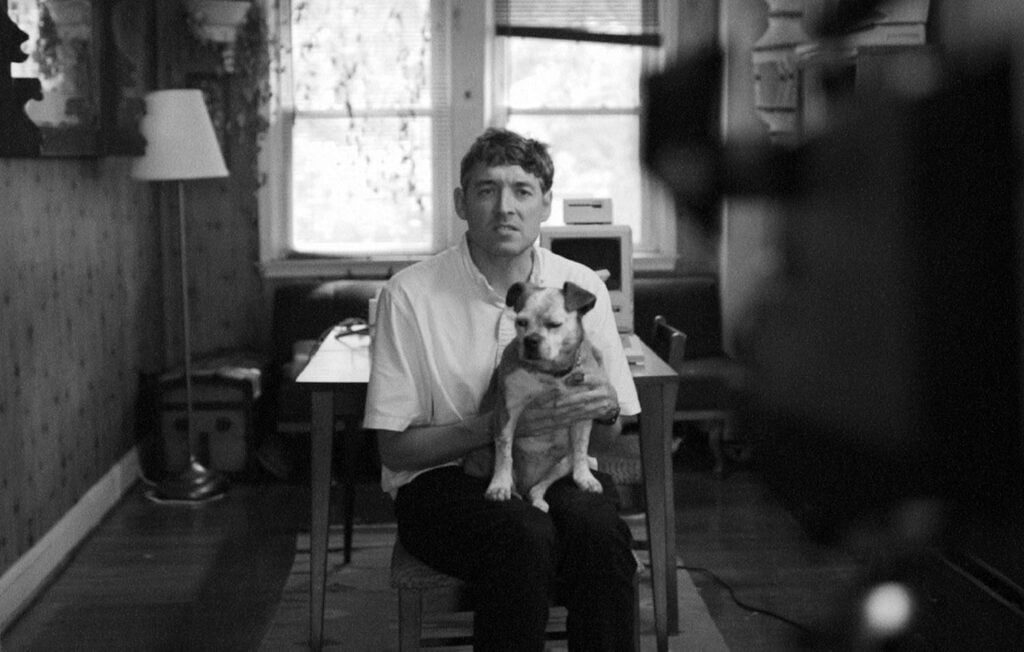

Birney discusses where he sees connective tissue between cinema and video games.

Like the best detective tales, the film doesn’t just dazzle us with a clever answer at the end.
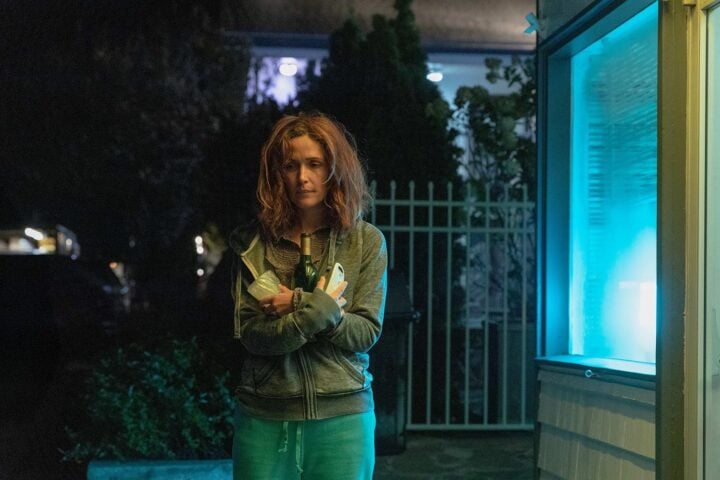
Byrne discusses where she sees similarities between performing comedy and horror.

Julia Ducournau returns to the well of body horror, albeit a little tentatively.
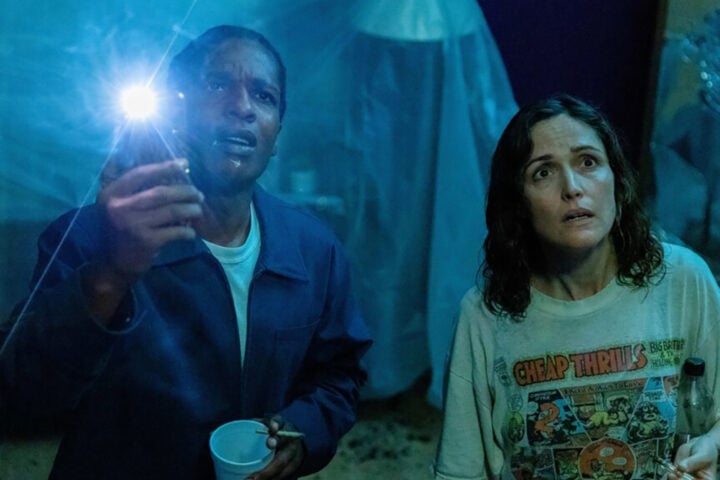
Bronstein discusses her approach to telling stories drawn from her own pain and anxiety.

Think of Lighton’s Pillion as a BDSM spin on Brief Encounter.
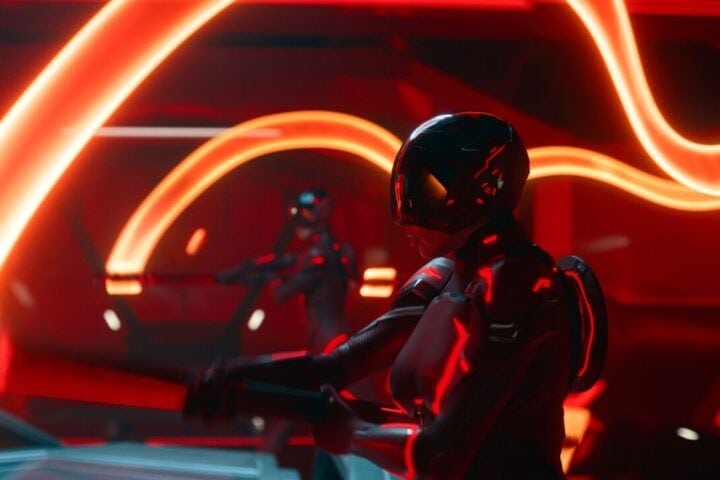
The film stubbornly adheres to the same action template as the first two films in the series.

Petzold has crafted yet another sneakily trenchant commentary on How We Live Now.
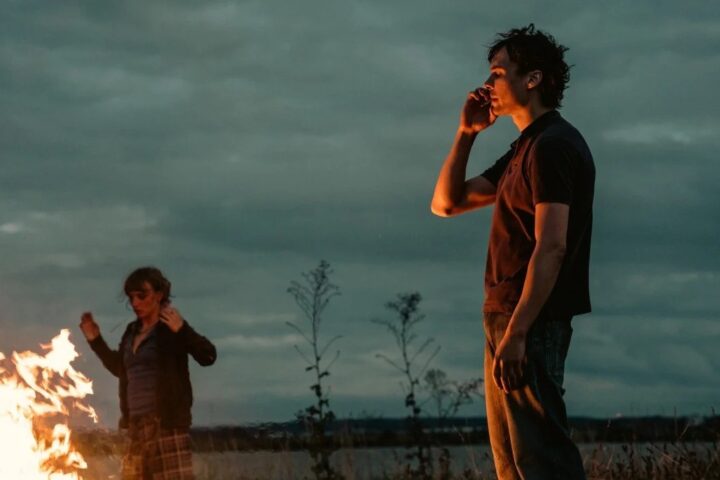
The film is most fascinating for its interrogation of its own representation.
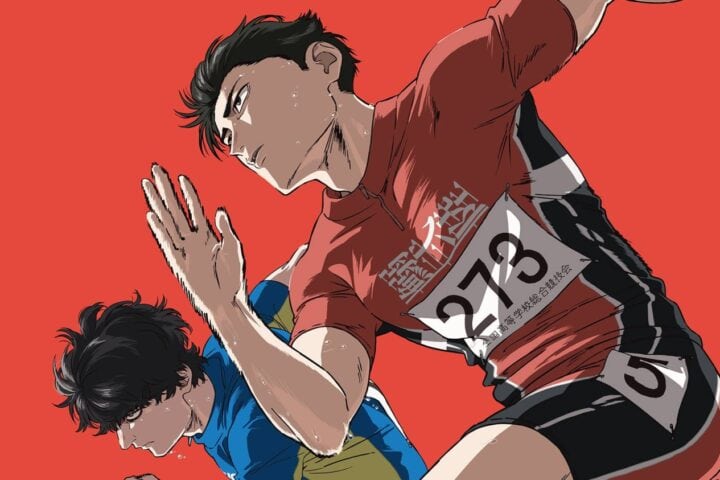
To get to the primal thrill of racing, Iwaisawa uses just about every technique at his disposal.
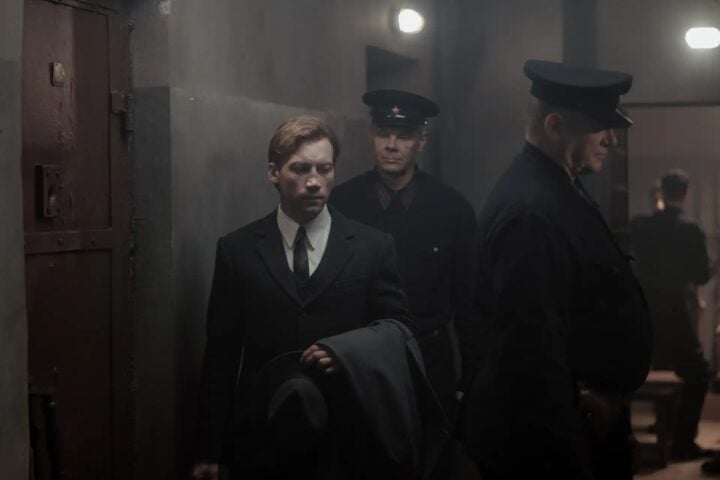
The film is a satiric look at Stalinism and bureaucracy with shades of Kafka, Orwell, and Gogol.
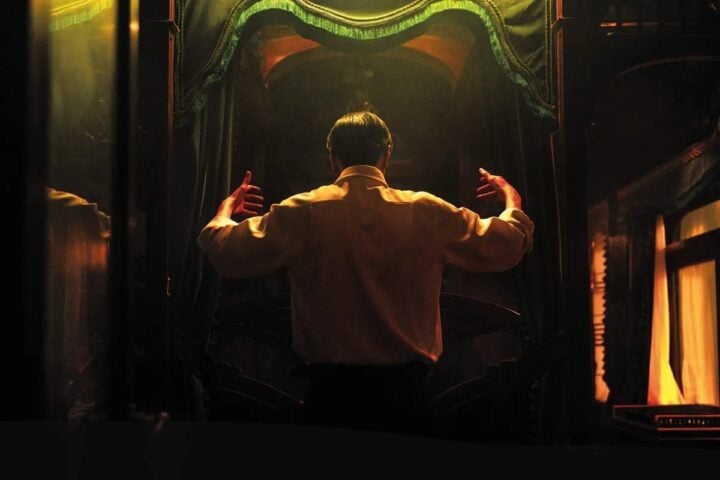
At times, Resurrection seems to outright taunt viewers for trying to make sense of it all.
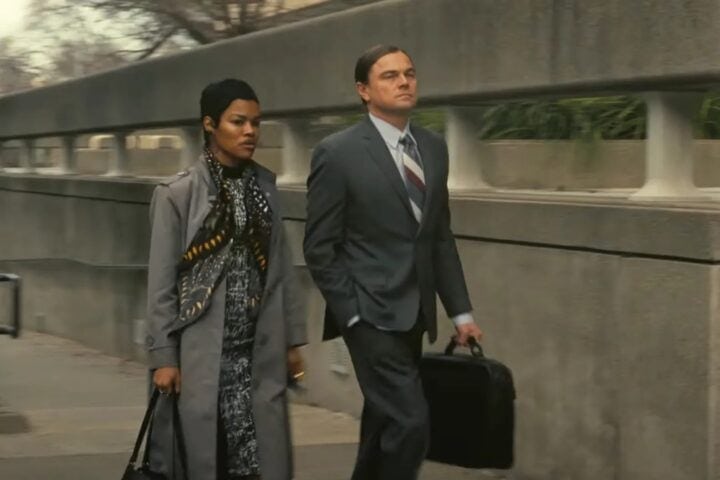
PTA is a portraitist who specializes in characters with longings that they can barely understand.
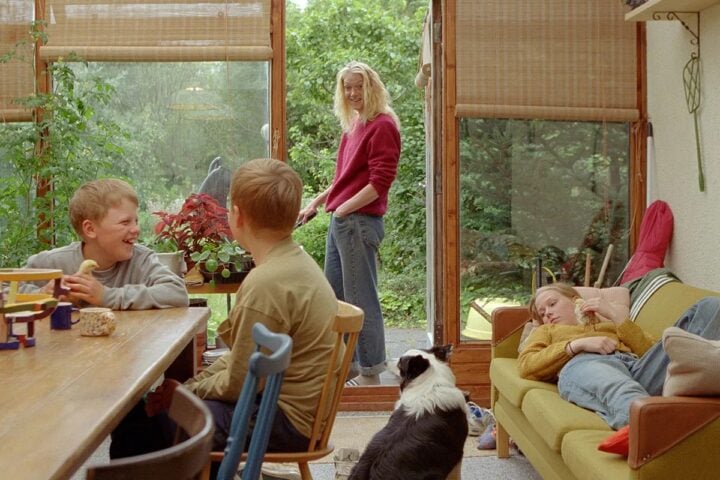
Pálmason’s impressionistic approach allows us the space to form our own judgments.
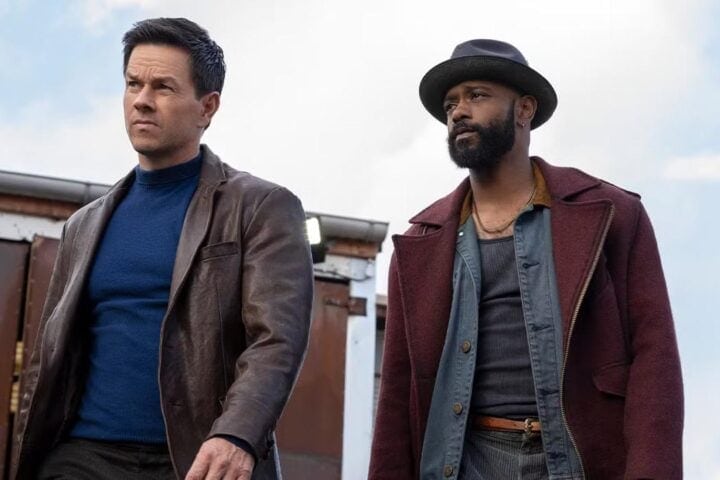
Shane Black’s film plays like a misguided action extravaganza from the 1980s.
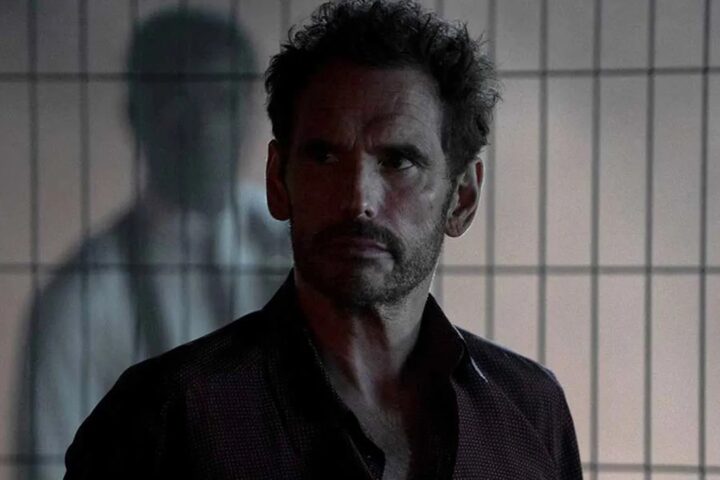
Denis approaches a simple setup via a discordant melding of cinematic and stagy modes.
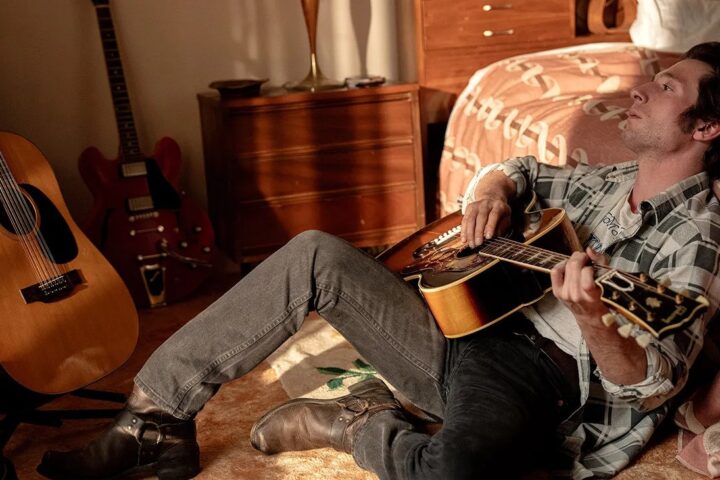
As Bruce Springsteen, Jeremy Allen White is all slouched posture and distant stares.

The film’s directors each take a horror movie staple and put their own distinctive spin on it.
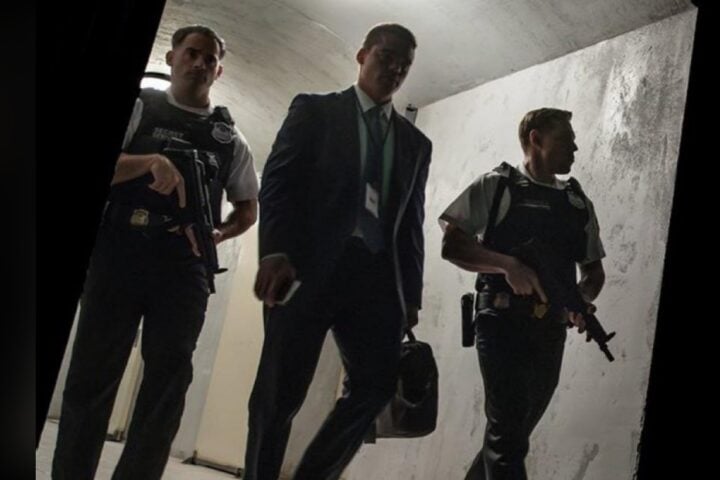
A House of Dynamite stares down impossible questions about an unthinkable scenario.
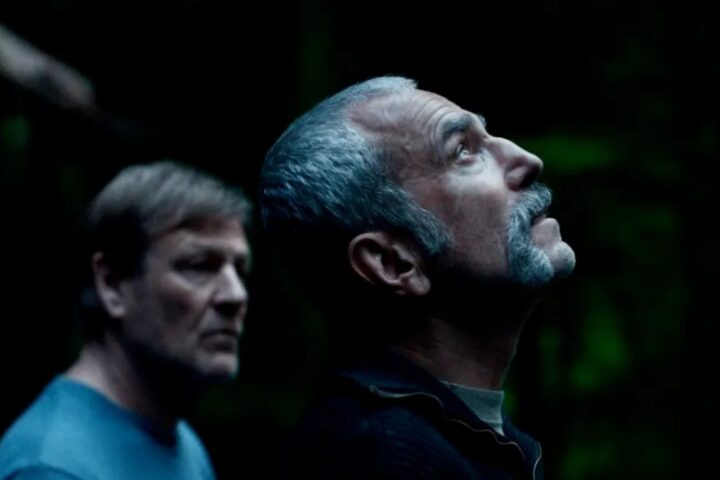
Anemone is especially preoccupied with what religion giveth and taketh away.

There’s pleasure to Nouvelle Vague’s winking affection for Godard’s Breathless.