The story is kept at a stress-inducing simmer, with occasional surges of operatic emotion.


Keith Uhlich's writing has been published in The Hollywood Reporter, BBC, and Reverse Shot, among other publications. He is a member of the New York Film Critics Circle.
The story is kept at a stress-inducing simmer, with occasional surges of operatic emotion.

Jacques Rivette’s Secret Defense feels in many ways like a culmination.

The film is a down-in-the-muck advert for an ultimately dewy-eyed vision of the silver screen.

For all its thrills, the film leaves you with a soul-nagging query: What price entertainment?
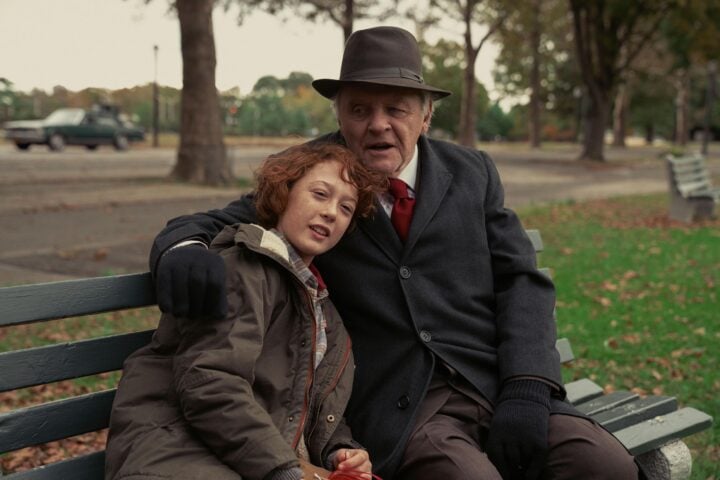
The film is an illustration of the transition from the ethical pliancy of youth to the moral discernment of adulthood.

Straining to be a YA spin on Trouble Every Day, Bones and All barely eclipses Twilight.

In Claire Denis’s film, sex is the great equalizer, or at least the act that allows people to defer taking a firm moral or ethical stance.

Field’s first film in nearly two decades can’t quite decide on whether Tár’s comeuppance is a grand tragedy or a cosmic joke.

Matrix Resurrections is the most personal, vision-driven blockbuster of its era, and Warner’s 4K disc maximizes its unorthodox beauty.

The cunning narrative arc of Lana Wachowski’s film is one of renewal in the face of rebooting.

Cary Joji Fukunaga’s film inadvertently confirms that Bond is best when the simpler, more savage pleasures prevail.

What’s absent here is the murderous lust for power that dovetails with Macbeth and Lady Macbeth’s lust for each other.

Terence Davies’s film is a rhapsodic portrayal of a milieu in which words are wielded like weapons by people who might otherwise be pariahs.

Godzilla vs. Kong receives a robust ultra-high-def release from Warner Bros. Home Entertainment.

Godzilla and Kong’s brawls have the ennui-inducing feel of a child arbitrarily smashing action figures together.

The series is about reorienting shame and blame from those who died to those who couldn’t be bothered.
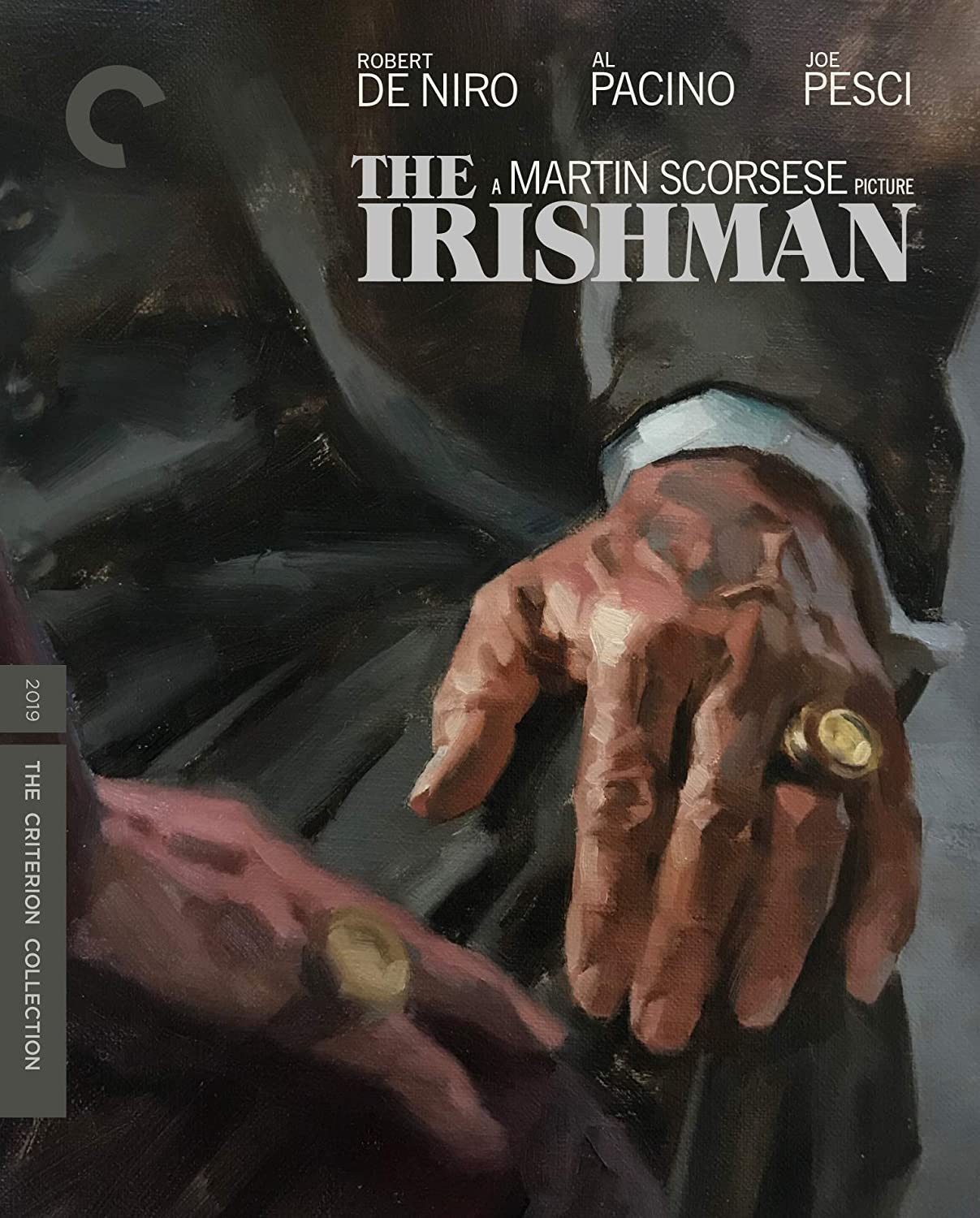
Criterion’s exacting presentation of Scorsese’s late-inning masterpiece is a testament to the enduring value of physical media.

A challenge inherent to a parable of this sort is that evil, being so seductive, can make good seem dull or prissy by comparison.

Its provocations can seem savage at a glance, but they emerge from an observational tranquility that is uniquely Frederick Wiseman’s own.

Even Blaise Pascal would wager you have everything to lose by not picking up Criterion’s upgrade of Eric Rohmer’s “Six Moral Tales.”